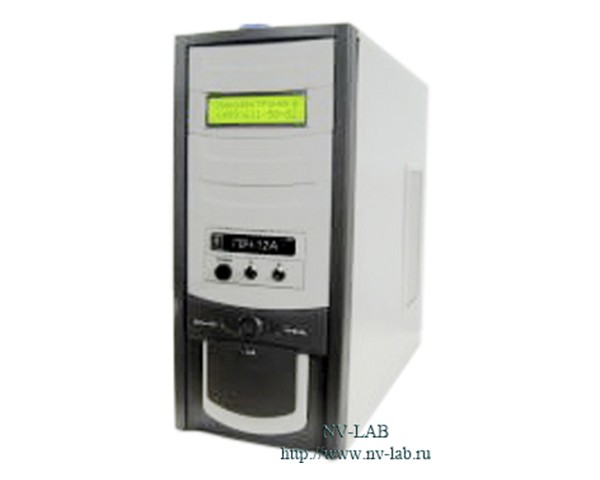
Pure hydrogen generator GVCh-6D
The GVCh-6D generator is designed to produce hydrogen of the highest purity used to power analytical instruments (chromatographs, gas analyzers, etc.). The resulting hydrogen is usually used to power flame ionization detectors. The main features of the GVCh-6D pure hydrogen generator are: built-in water treatment system with purity control water poured into the supply tank, hydrogen humidity control system, gas line depressurization protection system, output indication pressure, productivity of GVCh-6D, voltage on the electrolysis module and etc. The water treatment system allows the use of distilled water to power the device, which greatly facilitates the operation of the generator, and control purity of water entering the electrolysis module allows you to extend the life module services – the heart of the hydrogen generator. The hydrogen output humidity control system informs the operator about the need to calcinate filters, which prevents the possibility moisture entering the outlet line. The depressurization control system blocks hydrogen generation when the occurrence of a significant leak in the generator-chromatograph system. Specifications Hydrogen purity in terms of dry gas, % vol. 99.995 Concentration of water vapor at 20°C and 1 atm, no more, ppm 5 Total hydrogen productivity, normalized to normal conditions, l/h 6 Range of specified hydrogen output pressure, atm from 1.5 to 6.1 atm Stability of hydrogen output pressure, no worse, atm ±0.02 Time to establish operating mode, no more, min 30 Volume of double-distilled water poured, l 1.0 Consumption of distilled water, no more, l/hour 0.01 Water consumption, g/l hydrogen 1.6 The average resource of a replaceable deionization filter cartridge (at maximum productivity and single-shift operation) is not less than 1 year Average power consumption: in stationary mode, no more than VA, 150 maximum (at startup), no more, VA, 200 Overall dimensions of the generator, (width x depth x height), no more than, mm, 190x530x440 Generator weight. no more, kg, 13 Working conditions: ambient temperature, °C, from +10 to +35 power supply from a single-phase alternating current network voltage, V, 220 (+10 –15)% and frequency, Hz 50±1 The generator meets the electrical safety requirements class 1, type N according to GOST 12.2.025-76 Design and principle of operation of a hydrogen generator Hydrogen in the GVCh-6D generator is obtained by electrolysis of purified water in electrolyzer made on a solid electrolyte - ion exchange polymer membrane. Electrolyzer electrodes - titanium, separated insulating gaskets made of oxygen-resistant material. The generator is refilled with distilled water. Amount of water in the supply tank is controlled by level sensors, and the purity of the water being filled built-in conductivity meter. GVCh-6D provides periodic water circulation with cleaning in the deionization filter cartridge. In the electrolyzer, water is decomposed into oxygen and hydrogen, which come out of it separately. Oxygen is released into the atmosphere through supply tank. Hydrogen enters the separator, where the primary its separation from water. Returning water from the separator to the supply tank carried out through a solenoid valve when water reaches separator of a certain level. This generator construction diagram hydrogen allows for continuous operation of the generator with on-the-go refueling. The hydrogen then passes through fine filters where it is finally dried. An electronic pressure sensor is installed at the generator output, the measurement results of which are used for indication (on the display) and regulating pressure in the consumer line. To prevent an emergency situation when traffic jams occur during internal communications GVCh-6D a sensor is connected to the separator limit pressure, which is triggered at pressure about 6.5 atm. At the same time, electrolysis stops and signals appear about an emergency. The generator is equipped with a hydrogen moisture control system to prevent moisture from entering the output line. The generator performs the function of monitoring the depressurization of gas lines. If a leak occurs during operation, the generator stops generate hydrogen in a minute. The generator has a “blow-off” stage, which ensures an accelerated return of the entire chromatographic complex to operating mode. Manba: https://www.nv-lab.ru/catalog_info.php?ID=1921